How a Verified Plate Network Helps Protect Your Vehicle Identity
@verifiedplatenetworkdeck
Number plate cloning has become one of the more frustrating crimes on UK roads. A driver parks legally, pays their fines, and one day a penalty charge notice arrives for a place they have never been. Or worse, a letter about a speeding offence appears, with photographic evidence showing a car that looks like theirs but is not theirs. The technology behind modern plates makes cloning straightforward for anyone with basic tools and a printer. What matters is how quickly you find out and what you can do next. This is where a verified plate network comes into play, and why services like verified plate network Protect-A-Plate are worth understanding.
What Number Plate Cloning Actually Means
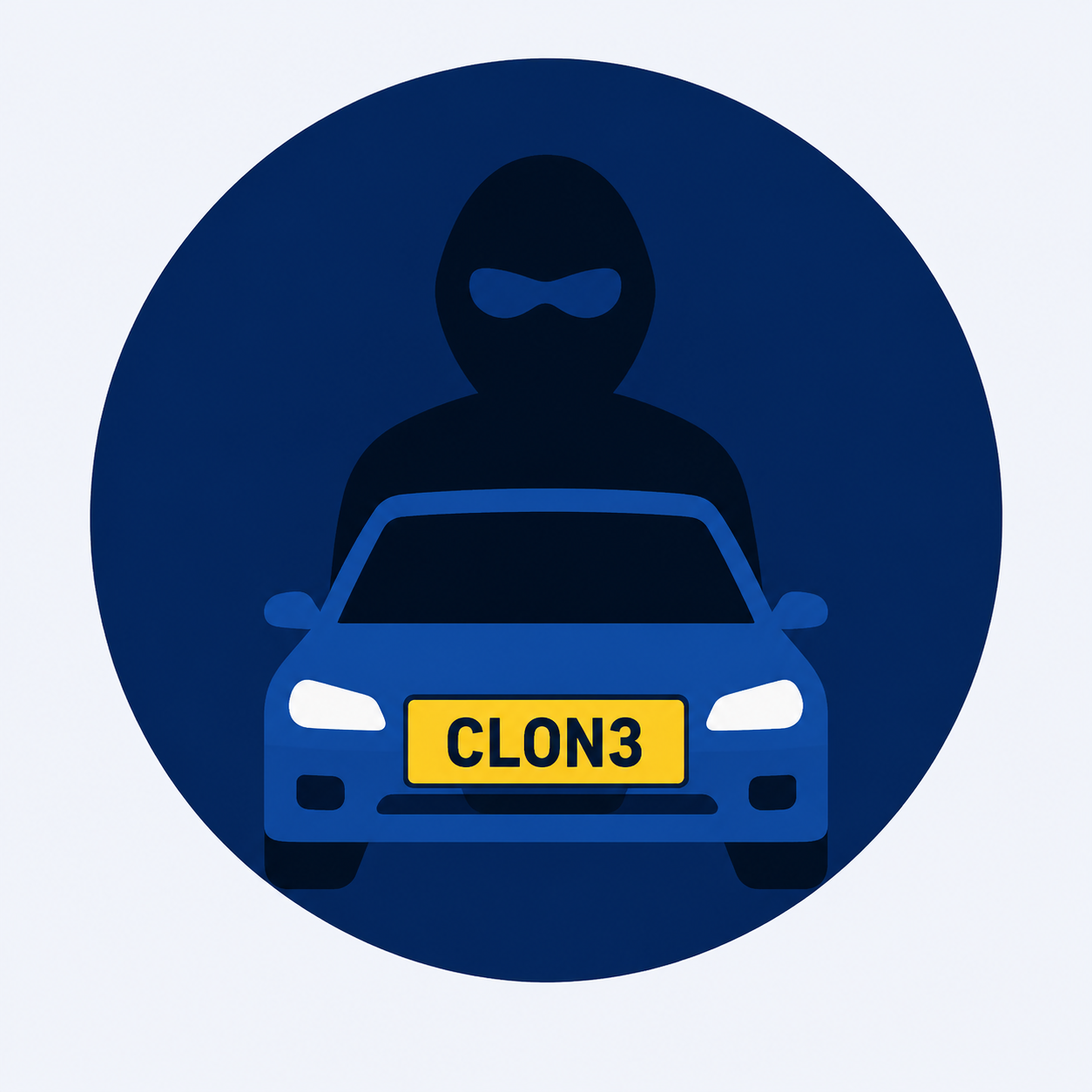
Cloning is not sophisticated hacking. It is simple identity theft for vehicles. Someone spots a car of the same make, model and colour as their own. They note the registration, source a set of plates, and fit them to their car. Now they can drive through congestion zones, speed past cameras, and even commit more serious offences without the real owner knowing. The cloned plates do not need to be perfect. Many ANPR cameras read plates at speed, and a slight misalignment or font difference is often missed. The real owner only discovers the problem when the penalties arrive.
Proving you were not there is not always easy. The burden falls on you to show your car was elsewhere at the time. You may need to produce receipts, dashcam footage, or witness statements. Meanwhile, the police have to link the offence to the cloned vehicle, which takes time and resources that are often stretched. Prevention, rather than cure, is the sensible approach.
The Mechanics of a Verified Plate Network
A verified plate network is exactly what it sounds like: a system that registers your legitimate plates and watches for signs of misuse. It does not block cloning physically, because no sticker or cover can do that. What it does is create a digital alert system. When your plates are used somewhere, the network checks whether the use matches your known patterns. If a camera records your registration in a city you have not visited, or at a time your car was parked at home, the system flags it. That alert goes to you and, depending on the service, to the relevant authorities.
This kind of network relies on data sharing between databases, local authorities, and vehicle registration agencies. It is not a single database but a connected set of checks that run whenever a plate is read. The more data sources involved, the harder it is for a cloned plate to slip through unnoticed. The UK already has a national ANPR infrastructure used by police. A verified plate network adds a layer on top of that, aimed at protecting the individual rather than just catching offenders after the fact.
For the vehicle owner, the real benefit is time. Instead of discovering cloning weeks or months later, when the paper trail is cold, you can learn about it within hours. That early warning gives you a chance to dispute the offence before it escalates into fines, court summons, or even a criminal record attached to your name.
Why Real-Time Alerts Matter
Speed is everything in this scenario. Once a cloned plate has been used for a few offences, the real owner starts accumulating penalty notices. Each one needs to be challenged separately. The process is slow, stressful, and often requires legal help. Real-time alerts cut that chain short. As soon as the system detects an anomaly, you are notified. You can then contact the police with the exact time and location of the suspected cloning. That gives them a starting point for an investigation, rather than a vague report from weeks ago.
The verified plate network Protect-A-Plate is one example of this kind of service. It ties the plate verification to a central alert system and works with the existing UK vehicle registration framework. The idea is not to replace official checks but to give drivers a direct line of sight into where their plates are being seen. That visibility alone changes the dynamic. A cloner knows that if the real owner is watching, the window of undetected use shrinks dramatically.
What to Look for in a Plate Verification Service
Not all plate monitoring services are the same. Some simply check a database once and send a report. Others offer continuous monitoring. The key features worth checking include the coverage area, the speed of alerts, and whether the service links to official channels. A service that only checks a single database misses the bigger picture. Cloned plates can be used anywhere, and the best protection comes from a network that spans multiple data sources.
Another factor is how the service handles false positives. A legitimate trip to a new area should not trigger a panic. Good systems learn your typical driving patterns and adjust. They also let you mark expected journeys in advance, so an alert only fires when something genuinely unexpected happens. Without that, you risk alert fatigue, where every notification is ignored because most turn out to be false.
User control matters too. You should be able to see the data the system holds about your plates, update your details, and pause monitoring if needed. Transparency builds trust, especially when the service involves sharing your vehicle data with third parties. A verified plate network that keeps you in the loop is far more useful than one that operates as a black box.
How to Protect Yourself Beyond the Network
Even with a good monitoring service, some basic habits help. Keep your registration documents secure. Do not post clear photos of your plates online, especially on forums or social media where cloners look for targets. Use tamper-resistant screws on your plates so they cannot be easily removed and fitted to another car. If you sell a vehicle, make sure the plates are removed or transferred properly. Old plates that are still active can be picked up and used by someone else.
Check your own driving records periodically. A quick look at your penalty points or outstanding fines can reveal cloning early, even before an alert arrives. If you receive a penalty notice for a place you have not visited, do not ignore it. Challenge it immediately and report it to the police. The sooner you act, the easier it is to prove your innocence.
The verified plate network Protect-A-Plate approach is part of a broader shift toward proactive vehicle security. Instead of waiting for something to go wrong, you are monitoring your own identity in real time. That shift mirrors what has happened in personal finance, where credit monitoring became standard after identity theft became common. Vehicle identity theft is following the same path, and the tools to fight it are becoming more accessible.
What the Future Holds for Plate Security
As ANPR cameras become more widespread, the opportunities for cloning grow. But the same technology also makes detection easier. A verified plate network that connects these cameras and cross-references plate usage across multiple authorities is a natural evolution. The UK is already moving in this direction with connected road systems and smart motorways. The missing piece has been a service that puts the data directly into the hands of the driver rather than keeping it inside government databases.
Services like verified plate network Protect-A-Plate fill that gap. They offer the kind of real-time insight that used to be reserved for fleet operators or law enforcement. For the average driver, that level of awareness was simply not available a few years ago. Now it is, and the difference it makes in catching cloning early is significant.

No system is perfect, and no network can stop a determined cloner from making a plate. But the goal is not to stop every attempt. The goal is to make cloning a high-risk, low-reward crime. When the real owner is alerted within hours, the cloner loses the anonymity that makes the crime worthwhile. That deterrent effect, multiplied across thousands of registered plates, changes the economics of the offence.
If you drive a common make and model, or if you have a personalised plate that stands out, the risk is higher. But any plate can be cloned. The question is whether you will know about it before the penalties pile up. A verified plate network gives you that answer, and that alone is worth the attention.
 Twitter
 Facebook
 Instagram